
Otoplasty (Ear Surgery) in Alpharetta & Atlanta, GA
Prominent, protruding, or uneven ears can impact self-confidence from childhood to adulthood. Otoplasty corrects ear deformities caused by genetics, injury, or birth conditions, creating a balanced, natural shape.
At Stephanie Farber Plastic Surgery, Dr. Stephanie Farber specializes in ear surgery to reshape, reposition, or resize ears, enhancing facial harmony and self-esteem. The procedure delivers lasting, natural-looking results while maintaining ear function.
Who Is a Good Candidate for Otoplasty?
Children and adults bothered by their ear size, shape, or position may benefit from otoplasty, which provides cosmetic and psychological improvements.
Characteristics of Good Candidates
Candidates typically:
- Have ears that protrude from the head
- Notice asymmetry between ears
- Have ears large for their head size
- Are in good health with realistic expectations
- Are non-smokers or willing to quit before surgery
- Understand the procedure and recovery
During your consultation, Dr. Farber will assess your ears and discuss your goals to determine if otoplasty is right for you.
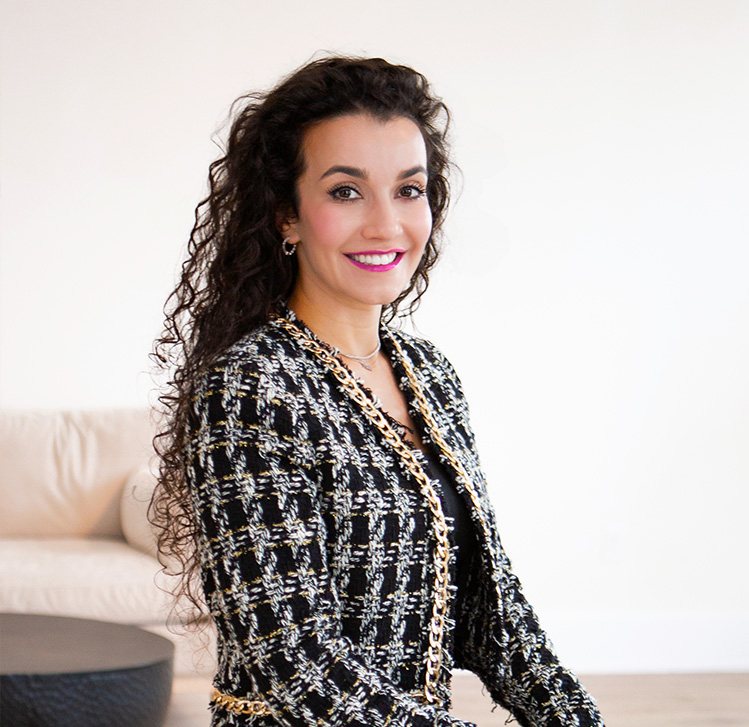
Dr. Stephanie Farber
Dr. Stephanie Farber is a board-certified plastic surgeon specializing in cosmetic surgery and reconstructive surgery for the face, breasts, and body. With a background in both plastic surgery and the fine arts, she combines technical skill with an artistic eye to create natural, balanced results. Known for her personalized approach, Dr. Farber takes the time to understand each patient’s goals and crafts every personalized treatment plan to bring their vision to life.
What Are the Benefits of Otoplasty?
Otoplasty can improve both appearance and confidence, helping patients feel more comfortable and at ease with their ears.
Enhanced Facial Harmony
Otoplasty brings the ears into better proportion with facial features, creating balanced, natural results. Improved symmetry ensures both ears match in size, shape, and position.
Increased Self-Confidence
Many patients, especially children and teens, face teasing or anxiety over prominent ears. Otoplasty can eliminate these concerns, boosting confidence in all settings.
Adults often feel more comfortable in photos, wearing their hair up, or engaging in activities they previously avoided due to ear appearance.
Versatile Correction Options
Otoplasty can:
- Reposition ears closer to the head
- Reduce ear size
- Reshape irregular cartilage
- Create missing ear folds
- Correct asymmetry
- Repair torn or stretched earlobes
Long-Lasting, Natural Results
Otoplasty results are permanent. Once reshaped, ear cartilage maintains its new form. Incisions are concealed behind the ear and fade over time.
Minimal Impact on Daily Function
Otoplasty is cosmetic and does not affect hearing or ear function. You will maintain full auditory ability with improved appearance.
Understanding the Otoplasty Procedure
Otoplasty is an outpatient procedure, usually lasting one to two hours.
Anesthesia Options
Dr. Farber will help you decide whether to have the procedure awake, using local anesthesia with sedation, or under general anesthesia.
The Surgical Technique
Dr. Farber will make small incisions behind the ear, allowing her to reshape or remove cartilage as needed for the desired result.
For prominent ears, cartilage is reshaped and secured with sutures closer to the head. Asymmetry is corrected for balanced shape.
If ears are too large, a small amount of cartilage is removed and the remainder reshaped.
Creating Natural Ear Contours
Dr. Farber preserves natural folds and contours for realistic, not “pinned back,” results. Incisions are closed with fine sutures, and a head wrap supports healing.
What to Expect During Recovery
Recovery is straightforward, with minimal discomfort. Following instructions can ensure optimal healing and results.
The First Few Days
After surgery, ears are wrapped for support and swelling reduction. Mild discomfort is managed with medication.
Most patients take about a few days to a week off from work or school with head elevation to minimize swelling.
You will see Dr. Farber within the first week to remove bandages and check healing.
Weeks One Through Four
After bandages are removed, a soft headband may be worn for several weeks, especially at